The landscape of manga is constantly evolving, driven by innovation, global influences, and the emergence of fresh talent. The new manga scene is gaining momentum, captivating audiences with diverse genres, unique storytelling techniques, and vibrant art styles. As digital platforms dismantle traditional barriers, new creators are stepping into the spotlight, reshaping what manga can be and who it can reach. In this comprehensive exploration, we will delve into the trends and innovations fueling this surge, highlight emerging artists shaping the future, and analyze how the industry is transforming beyond conventional boundaries.
Whether you’re a long-time manga enthusiast or a casual reader curious about the latest waves, understanding the dynamic changes in the new manga landscape provides critical insight into the future of this beloved art form. From the rise of digital manga platforms to the diversification of genres and cultural influences shaping contemporary works, the scene is more vibrant and inclusive than ever before. Join us as we traverse the exciting journey of new manga—a movement poised to redefine the boundaries of storytelling and artistic expression in the comics world.
Exploring the Rise of New Manga - Trends and Innovations
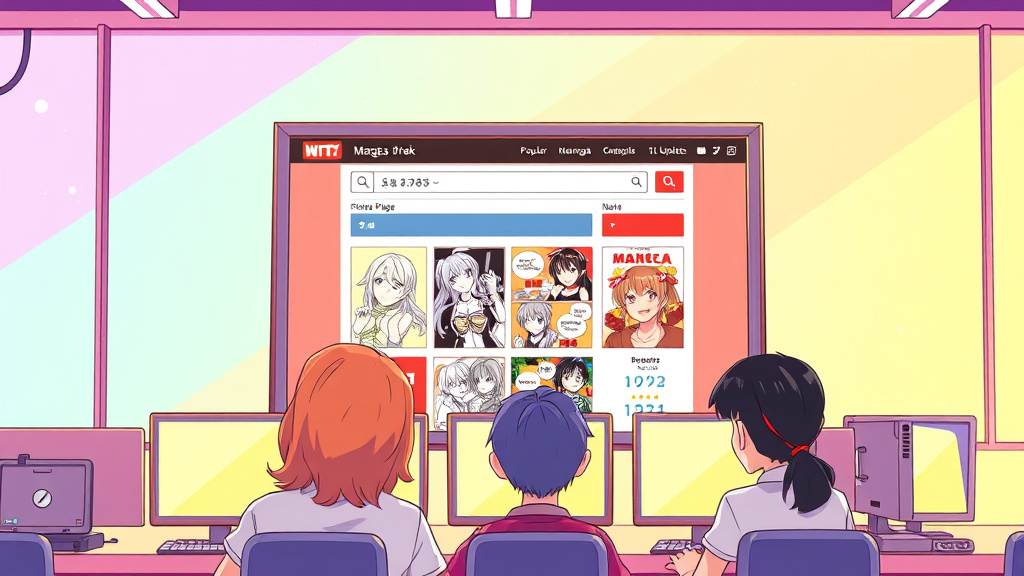
The emergence of new manga has been profoundly influenced by technological advancements and shifting reader preferences. One of the most noticeable trends is the rapid adoption of digital platforms, which democratize access and create new opportunities for creators worldwide. Webcomics and online manga sites like Webtoon, Tapas, and independent creators’ platforms have provided avenues for raw, experimental, and diverse storytelling styles that often challenge traditional manga norms. This shift has not only broadened the audience base but also accelerated the pace of innovation in narrative structures and visual techniques.
Innovations in art and storytelling methods are flourishing within new manga. For instance, multi-paneled web comics with dynamic layouts, motion effects, and interactive elements have revolutionized reader engagement. Additionally, the integration of multimedia elements—such as sound, animation, and user interaction—pushes the boundaries of what manga can be on digital platforms. Creators are also experimenting with non-linear storytelling, meta-commentary, and genre-blending, which enriches the storytelling palette. As these innovations continue to evolve, they redefine manga’s capacity to reflect contemporary issues, personal identities, and futuristic visions, making new manga a fertile ground for artistic experimentation and cultural dialogue.
 Hình minh họa: solo leveling manga online read – new manga
Fresh Voices in Manga: Spotlight on Emerging Artists
A defining feature of the new manga scene is the rise of emerging artists who bring diverse perspectives and narratives to the forefront. These creators often operate outside the traditional publishing system, using online platforms to share their work directly with audiences worldwide. This democratization allows for more authentic storytelling rooted in varied cultural backgrounds, personal experiences, and innovative styles. Many of these artists are gaining popularity quickly, thanks to social media, fan communities, and content-sharing sites that amplify their reach.
What sets these new artists apart is their courage to challenge conventions and explore unconventional themes. For example, some are delving into intricate psychological stories, exploring gender identity, or addressing social issues with raw honesty. Their art styles range from highly detailed realism to minimalist, experimental designs, reflecting the diversity of their backgrounds. As the spotlight on these emerging voices grows, they are reshaping the conversation around what it means to create and consume manga, fostering a more inclusive and dynamic industry that welcomes new talents with varied stories and artistic visions.

Critical Analysis - Reviewing the Most Promising New Manga Series
Among the plethora of new manga, certain series stand out because of their innovative storytelling, compelling characters, and thematic depth. These series often debut on digital platforms, reaching audiences before traditional publishers even take notice. For example, a few have gained massive popularity by redefining genre norms—mashups of fantasy and sci-fi, psychological horror intertwined with slice-of-life, or light-hearted rom-coms with kitschy visual styles. These series not only entertain but also provoke thought, engaging readers on multiple levels.
Critics and fans alike are praising many of these works for their nuanced storytelling and bold artistic choices. For instance, some series employ unconventional narrative structures, such as chapterless storytelling or interactive storytelling where reader choices influence plot development. Others excel in character development and self-reflective themes that resonate deeply with contemporary audiences. As these promising new manga series continue to develop, they exemplify the creative vitality and boundary-pushing spirit that define the current era—proof that new manga is poised to challenge and sometimes surpass established classics in innovation and relevance.
Beyond Shonen - Diversifying Genres in the New Manga Landscape
Traditionally, manga is often associated with shonen, seinen, and shojo genres, but new manga is breaking these boundaries by embracing a much broader spectrum of genres. Independence from traditional genre constraints enables creators to experiment and target niche audiences with specific interests. For example, LGBTQ+ themes, mental health issues, political commentary, and cultural explorations are increasingly prominent in new manga, reflecting a more socially conscious and diverse landscape.
The diversification of genres is also facilitated by digital distribution, which allows for smaller, specialized publishers and independent artists to thrive. Genres such as horror, mystery, and historical fiction are gaining momentum, alongside hybrid genres like sci-fi romance or comedy-drama. This trend opens exciting avenues for storytelling innovation, making manga more accessible and engaging for a wide range of readers. It underscores a shift toward inclusivity and representation, fostering a richer environment where different voices and stories can flourish—ensuring new manga evolves into a comprehensive cultural art form rooted in diversity.
Digital Manga Revolution - How Online Platforms are Shaping New Talent
The digital revolution has a profound impact on how new manga creators develop and distribute their work. Online platforms have lowered entry barriers, enabling aspiring artists from all backgrounds to publish without going through traditional publishing gates. This ease of access fosters a multicultural ecosystem of creators who bring fresh perspectives and experimental styles, which might have been overlooked by traditional publishers. Moreover, online platforms facilitate immediate interaction with audiences, providing instant feedback and community engagement that enrich the creative process.
Furthermore, digital distribution offers innovative monetization strategies such as microtransactions, subscription models, and crowdfunding, empowering creators to earn sustainable income while maintaining artistic independence. These platforms also support a rapid pace of publishing, allowing serial storytelling that keeps readers hooked and creators motivated through regular updates. The online manga revolution has thus redefined how talent is nurtured and discovered—showcasing a future where diversity, innovation, and accessibility drive the industry forward. This shift reflects a broader cultural change emphasizing connectivity, decentralization, and empowerment for new manga creators around the globe.
New Manga for Every Reader - A Curated List of Must-Read Titles
The vast landscape of new manga offers something for everyone, from gritty dystopian tales to heartwarming slice-of-life stories. Curating a selection of must-read titles helps new readers navigate this vibrant scene, highlighting works that exemplify innovation, diversity, and emotional resonance. For instance, “Hive Mind” explores collective consciousness with sharp social commentary, while “Neon Nights” immerses readers in a cyberpunk metropolis teeming with neon-lit intrigue—all created by debut artists with compelling visuals and narratives.
Other notable titles include experimental comics like “Fragments of Reality,” which challenge linear storytelling to create immersive experiences, and culturally rich series such as “Roots and Rhythms,” which celebrates indigenous and minority cultures with authenticity. The curated list is diverse, reflecting genres like fantasy, romance, horror, and psychological thriller, catering to different tastes and interests. These titles showcase the power of digital platforms to elevate unconventional voices and serve as an inspiring guide for newcomers eager to explore the new manga frontier. They exemplify how curated collections can illuminate the vibrant potential of this cultural movement, inviting every reader to discover their next favorite manga.
The Influence of Global Culture on New Manga Creations
Contemporary new manga is increasingly shaped by global cultural influences, blending storytelling traditions from around the world to produce innovative hybrid works. Creators no longer operate within a solely Japanese context but instead incorporate elements from Western comics, African folklore, Southeast Asian mythologies, and more. This cultural exchange leads to richer narratives, varied aesthetics, and a broader thematic scope that resonates with a global audience.
This global influence fosters a unique cross-cultural dialogue within manga, allowing stories to transcend language barriers and cultural boundaries. For example, some artists incorporate indigenous art styles or traditional storytelling techniques, creating works that feel both familiar and novel. Others address universal themes such as identity, social justice, and environmental concerns through lenses rooted in their cultural heritage. The fusion of diverse influences expands the creative palette of new manga, making it a vibrant mosaic of stories that reflect today's interconnected world—an industry evolving in tandem with our increasingly pluralistic society.
New Manga vs. Established Classics - Comparing and Contrasting Styles
While new manga brings fresh perspectives and experimental techniques, it’s important to consider how it compares with established classics that have defined the industry for decades. Classic manga often emphasizes traditional storytelling structures, distinct art styles, and targeted demographics, such as shonen action series or shojo romantic dramas. These works have built a lasting legacy of iconic characters and cultural milestones that continue to influence new manga creators.
In contrast, new manga tends to embrace innovation, genre-blending, and digital storytelling, often breaking away from the rigid formats of the past. While classics often rely on tried-and-true tropes, new works experiment with narrative order, interactivity, and cultural critique, reflecting contemporary social issues. The contrast reveals an industry at a crossroads—where reverence for tradition coexists with a daring push toward modernity. Recognizing the strengths of both allows for a richer appreciation of manga’s evolution, with new manga extending the legacy of creativity and pushing creative limits beyond the conventions of classic works.
The Future of Manga - Predictions and Expectations for New Series
The future of new manga is poised for astonishing growth driven by technological advancements, multicultural influences, and shifting reader expectations. Predictions suggest that augmented reality (AR) and virtual reality (VR) integration will become more common, creating immersive reading experiences that blend manga storytelling with interactive 3D environments. Additionally, AI-assisted creation tools may empower artists by streamlining the drawing process, allowing creators to focus more on storytelling and concept development.
Moreover, with the industry becoming increasingly globalized, collaborations between artists from different countries are likely to flourish, fostering cross-cultural narratives that reflect a more interconnected world. Niche genres and experimental storytelling will probably expand, catering to diverse taste profiles and fostering community-driven content. The next chapter of new manga will be characterized by technological sophistication, cultural hybridity, and a deeper understanding of diverse audiences. As the industry continues to evolve, it promises a landscape where innovation and inclusivity go hand in hand, ensuring manga remains a vibrant, dynamically adaptive art form.
From Concept to Publication - The Journey of a New Manga Artist
The journey of a new manga artist often begins with a spark of inspiration—an idea, a personal story, or a desire to explore new artistic realms. With the accessibility of online platforms, many artists start sharing their prototypes or finished pages early in their careers, gaining feedback and building initial audiences. This grassroots process allows for iterative development, where creators refine their skills and narratives while forging connections with fans and fellow artists.
Transitioning from concept to publication in the digital age is more entrepreneurial than ever. Artists often utilize crowdfunding to finance higher-quality production or seek collaborations with publishers or digital platforms for wider distribution. Success stories show how perseverance, a unique voice, and engagement with online communities can turn a simple idea into a thriving new manga series. Encouraging new creators to embrace experimentation and authenticity, while navigating the complexities of digital publishing, is critical for sustaining innovation in new manga. The path from concept to publication embodies passion, resilience, and the democratizing power of today's technological landscape—making manga a truly accessible artistic endeavor for all.
Conclusion
The new manga movement is a vibrant and rapidly transforming sector of the comic art world, driven by technological advances, diverse cultural influences, and the rise of emerging talents. This dynamic scene is characterized by innovation in storytelling, expanding genre boundaries, and a globalized creative environment that fosters inclusion and experimentation. Digital platforms have democratized access, enabling a new generation of artists to bring fresh and often daring visions to life, reshaping traditional manga paradigms and engaging a worldwide audience. As predicted, the future promises even more immersive, cross-cultural, and technologically sophisticated creations, ensuring manga’s continual growth and relevance. From the journey of new artists to the diversification of genres and themes, the industry is on an exciting trajectory that underscores manga’s role as a powerful cultural force—adaptable, diverse, and ever-evolving.